Home Improvement

Preparing Your Vermont Home for Winter: A Fall Home Maintenance Checklist

Summer is over, and now is the time to take care of a few important chores and get home ready for Vermont winter. Those cold nights and mornings seem to arrive quickly, so it’s nice to have a these essential items checked off before the first snow. Your future self will thank you for taking care of them now, helping prevent unexpected problems and keeping your home comfortable through the winter.

Here are a few things worth adding to your October to-do list.

Check for Air Leaks

As the first cold mornings arrive, take a walk around your home and check for drafts around exterior doors and windows. Those small leaks may not seem like much in October, but you'll notice them a lot more when the temperature drops and the heat is running around the clock. Some fixes are relatively simple, such as adding weatherstripping or caulking around windows. Larger gaps or areas that are difficult to identify may be worth having a contractor evaluate.

Have Your Chimney Cleaned & Inspected

Many Vermont homes have a fireplace or woodstove, so now is the time to make sure it's ready for another season. For many homeowners, a woodstove is essential for getting through the colder months. A professional chimney cleaning and inspection can remove built-up creosote and identify potential problems before you start using the fireplace regularly.

Schedule Your Annual Furnace Service

Whether your home is heated by a furnace, heat pump, boiler, or another system, fall is the time to make sure everything is ready for the colder months. Nobody wants to discover a heating problem when temperatures drop below zero. Having it professionally serviced in the fall gives you a chance to catch potential issues before they become a midwinter emergency.

It's also a good time to check your filters. Many filters should be replaced about every three months, although the right schedule depends on the type of filter and your home's system. A clean filter helps your system operate efficiently and can contribute to better indoor air quality.

Check Filters and Vents

Your heating system isn't the only thing in the house that relies on a clean filter. Fall is a good time to work through the filters, vents, and exhaust areas throughout your home.

Depending on what you have, your list might include:

  • Furnace or heat pump filters

  • Refrigerator water filters

  • Dishwasher filters

  • Air purifiers and humidifiers

  • Vacuum filters

  • Dryer lint filters and exhaust ducts

  • Range hood and over-the-range microwave filters

Some need regular replacement, while others simply need a good cleaning. Check the manufacturer's recommendations for each appliance rather than assuming everything follows the same schedule.

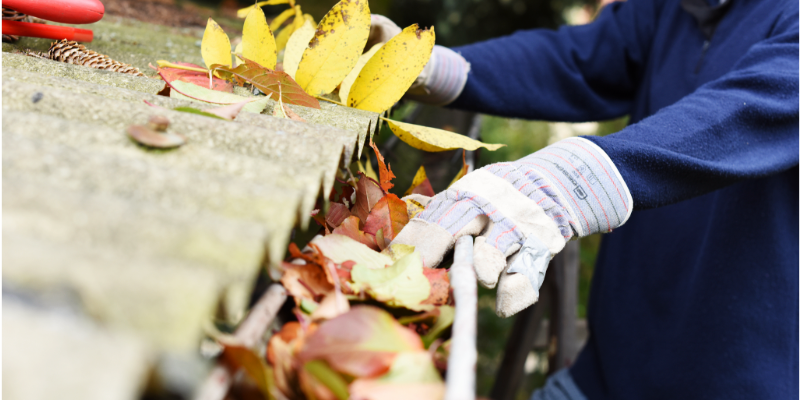
Clean Your Gutter and Downspouts

Once the leaves start falling, gutters can fill up quickly. Clear out leaves and debris so rainwater and melting snow can drain properly and help prevent ice buildup and roofline problems. Check that downspouts direct water away from your home and aren't leaking or loose. If your gutters are difficult to reach or you're not comfortable on a ladder, leave this one to a professional.

Test Smoke and Carbon Monoxide Detectors

Smoke and carbon monoxide detectors don't require much attention, but they're among the most important systems in your home to keep in working order. Test your detectors regularly and replace batteries according to the manufacturer's recommendations. If a detector is nearing the end of its recommended service life, replace it rather than waiting for it to fail. It's a small task that can be easy to overlook, but definitely one worth keeping on the list.

A Little Fall Maintenance Goes a Long Way

Vermont winters have a way of putting our homes to the test. Taking care of a few maintenance items in the fall can help you avoid scrambling for repairs in the middle of January, when the weather is less forgiving and local service providers are often busy.

And you don't have to tackle everything yourself. If you need a furnace technician, chimney professional, contractor, or another local service provider, our Coldwell Banker Islands Realty agents are happy to point you toward trusted local resources. Reach out to our team for recommendations and get your home ready for the season ahead.

41% of Homeowners Haven't Reviewed Their Insurance in a Year. Have You?

Your Home Insurance Policy Might Not Cover What You Think It Does

Four out of 10 (41%) people with homeowner’s insurance policies made no change to their policy in over a year, according to a survey conducted online by The Harris Poll in June of this year.

Another two out of 10 (20%) said they hadn't touched their policy since the day they bought it.

The numbers on the provider side tell a similar story:

  • 56% of policyholders say their insurance provider hasn't reached out to check in on their coverage in over a year

  • 21% say that kind of check-in has never happened at all

  • 88% say they'd want their provider to flag it when their coverage no longer fits their life

Insurance companies aren't required to call and ask whether your coverage still fits your home, and most homeowners aren't opening that file until something forces them to. Life gets busy.

So, consider this our friendly annual reminder to give it a look, and we’ll share how to do exactly that. 

Because without an annual update, the odds of your insurance not actually covering what you think it does are greater than you think. 

The coverage you think you have vs. the coverage you actually have

The Hanover Insurance Group's 2025 Homeowners Coverage Awareness Report, based on a Harris Poll of homeowners age 30 and up, found a wide difference between what people believe they're covered for and what their policy includes.

Here's what that difference looks like for three common types of coverage:

  • Umbrella coverage: 83% have heard of it. Only 39% have discussed it with an agent.

  • Valuables coverage: 87% know it exists. Only 26% carry it.

  • Cyber coverage: 46% know it's an option. Only 7% have it.

Knowing a coverage type exists isn't the same as being protected by it. The Hanover report also found that 66% of homeowners said they'd want to add umbrella coverage once someone explained what it does. 

So, we’re looking at a knowledge gap. People aren't skipping coverage on purpose; they don't know it applies to them until someone walks them through it.

What it looks like when the gap catches up with you

The Harris Poll survey found that one in three homeowners who filed a claim said their coverage fell short of what they needed. 

Within that group, 14% said none of their claim was covered.

There’s no convenient time for this kind of news, but it’s especially stressful when you’ve filed a claim after a pipe bursts or a storm tears off part of the roof, only to find out the policy you've paid into for years won't cover the repair.

The same survey found that 67% of policyholders said covering a surprise $1,000 expense would be hard for their household. 

A coverage shortfall means money you may not have, at the moment you need it most.

A five-minute check you can do this week

A policy review doesn't have to turn into a research project. Pull up your current policy and check these four things:

  1. Your dwelling coverage limit, and whether it reflects what it would cost to rebuild your home today (not just what you paid for it)

  2. Any named endorsements on the policy, like added coverage for jewelry, art, or water backup

  3. The date your policy was last reviewed or updated

  4. Any changes to your home or life since that date, a renovation, a new roof, a home office, a big purchase

If any of those raise a question you can't answer off the top of your head, that's your sign to take a closer look. A policy review is about knowing where you stand before you need to.

Five Minutes Now Beats a Bad Surprise Later

None of this means your policy is wrong. Coverage is built around the home and the life you had when you bought it, and both of those change more than most policies do.

The homeowners in that recent survey who found out their coverage fell short didn't do anything unusual. They hadn't looked at their policy in a while, just as most people haven't.

A five-minute check now costs you nothing. Finding out your coverage isn’t enough after a loss costs you money and a load of stress you don’t need. Taking the time to check your policy this month puts you ahead of the curve before anything happens.


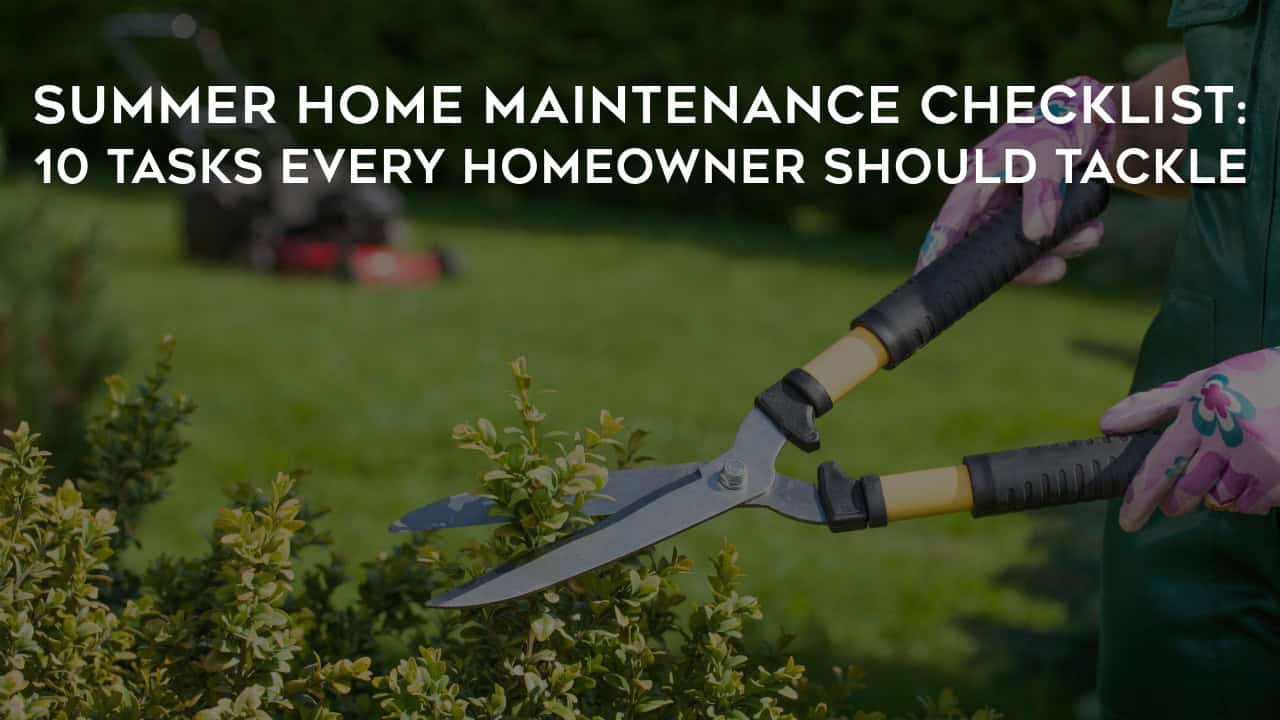
Vermont Summer Home Maintenance Checklist: 10 Tasks Every Homeowner Should Tackle

Vermont Summer Home Maintenance Checklist: 10 Tasks Every Homeowner Should Tackle

Summer is one of the best times to stay ahead of home maintenance projects. With warmer temperatures and longer days, it's the perfect season to tackle tasks that protect your investment and help prevent costly repairs down the road. Here are 10 summer home maintenance tasks every Vermont homeowner should add to their checklist.

1. Inspect Your Roof

Winter snow, ice, and spring storms can take a toll on your roof. Look for missing shingles, damaged flashing, or signs of wear before small issues become expensive repairs.

2. Clean Gutters and Downspouts

Even after spring cleanup, gutters can quickly collect debris. Ensure water is flowing away from your home's foundation to prevent water damage and erosion.

3. Wash Your Home's Exterior

Summer is a great time to clean siding, decks, patios, and outdoor furniture. A simple wash can improve curb appeal and help identify areas needing repair.

4. Check Decks and Porches

Inspect for loose boards, protruding nails, rot, or damaged railings. Consider resealing wood surfaces to protect them from sun and moisture.

5. Service Your Air Conditioning

If you have central air or mini-splits, clean filters and schedule routine maintenance to keep systems running efficiently during the hottest months.

6. Inspect Windows and Doors

Check for drafts, damaged screens, and worn weatherstripping. Small repairs now can improve comfort and energy efficiency year-round.

7. Test Outdoor Faucets and Irrigation Systems

Look for leaks, damaged hoses, or sprinkler issues that may have developed over winter.

8. Trim Trees and Landscaping

Overgrown branches can damage roofs, siding, and power lines during summer storms. Keep limbs pruned and away from your home's exterior.

9. Inspect Your Foundation

Walk around your property and look for cracks, pooling water, or signs of shifting. Catching foundation issues early can save significant repair costs later.

10. Refresh Curb Appeal

Summer is the peak season for enjoying outdoor spaces. Add fresh mulch, maintain gardens, touch up paint, and keep lawns healthy to boost your home's appearance.

Summer is one of Vermont's busiest real estate seasons. Completing a few simple maintenance projects can help protect your home's value and make a strong first impression if you're considering listing your property for sale.


Preparing Your Vermont Home for Winter

Preparing your vermont home for winter

As we settle into November, it’s the perfect time to prepare your Vermont property for the cold months ahead. With a few simple maintenance steps, you can protect your investment, prevent costly repairs, and ensure your home stays warm, efficient, and comfortable all winter long.

Here are a few essential steps to take this month: 

1. Inspect and Service Your Heating System

Schedule a heating system check-up to ensure your furnace, boiler, or heat pump is running efficiently. Replace filters, test your thermostat, and consider upgrading to a smart thermostat for better control and energy savings.

2. Seal Drafts and Improve Insulation

Vermont winters are beautiful but brisk. Check for drafts around windows and doors, and use weather stripping, caulking, or added insulation to keep warm air in and cold air out. For older windows, thermal curtains or storm windows can be an effective solution.

3. Protect Your Pipes

Frozen pipes can lead to costly damage. Insulate exposed pipes in unheated areas, and on frigid nights, let faucets drip and open cabinet doors to help warm air circulate. For outdoor water spigots, make sure to disconnect hoses, turn off the water valve, and drain excess water. 

4. Winterize Lakefront and Seasonal Properties

As the cold sets in, it’s time to bring in docks and store other recreational equipment. For seasonal homes, be sure to drain water lines, clean gutters, and securely close up the property for winter.

5. Test Detectors and Safety Devices

With heating systems and fireplaces in use, check smoke and carbon monoxide detectors. Replace batteries and test each unit to keep your home safe all winter.

6. Prepare Outdoor Spaces

Rake up remaining leaves, trim any overhanging tree branches that could be hazardous, and clean your gutters. Store patio furniture or cover it securely, and make sure your snow removal equipment works properly. Remember to put out reflective driveway markers that outline your driveway and protect landscaping from the plow.

For more expert home maintenance tips or personalized advice on getting your Vermont home market-ready this fall, reach out to a Coldwell Banker Islands Realty agent today. Let us help you keep your home in top shape, whether you’re staying for the season or preparing to sell!

5 Ways to Prepare Your Home for a Successful Fall Sale

5 Ways to Prepare Your Home for a Successful Fall Sale


Selling your Vermont home this fall? Make the most of the autumn market by blending essential maintenance with seasonal curb appeal improvements. Here are five key ways to get your home ready:

1. Boost Your Curb Appeal

First impressions matter. Refresh your front door by painting it a neutral color if needed, and add simple seasonal decor such as a potted mum or wreath. Rake leaves, trim overgrown bushes, and tidy up your garden beds to create a welcoming and well-kept exterior.

2. Clean Gutters and Spruce Up the Exterior

Clogged gutters can lead to water damage and pest problems. Remove leaves and debris, and consider pressure washing siding and washing windows. A clean exterior not only prevents issues but also makes your home look cared-for and inviting.

3. Inspect Your Roof and Trim Trees

Check for missing shingles, cracks, or damage before winter weather hits. Trim back branches near your home to prevent limbs from falling on the roof during storms. Taking care of these tasks now can avoid costly repairs later and give buyers confidence in your property's upkeep.

4. Service Fireplaces and Safety Systems

Have your chimney and fireplace serviced before listing. This gives you time to address any issues and gives potential buyers peace of mind. Also, test smoke and carbon monoxide detectors and replace batteries if needed. If you sell a property in Vermont, it must have functional smoke and carbon monoxide detectors in place before closing.

5. Prepare Windows and Outdoor Spaces

Wash windows and remove screens to showcase your windows and the view. Keep patios, porches, and outdoor areas clear of fallen leaves and clutter. Add subtle fall touches like pumpkins or planters to make outdoor spaces feel inviting and highlight the lifestyle your home offers.

For more expert home maintenance tips or personalized advice on getting your home market-ready this fall, reach out to a Coldwell Banker Islands Realty agent today. Let us help you keep your home in top shape, whether you’re staying for the season or preparing to sell! Visit our services providers page to learn more about local service providers. 

1-5 of 26 Posts
Recommended Searches