Buying & Selling

The Ultimate Guide to Buying a Lakefront Home in Vermont

Lakefront Buying Guide Vermont Properties

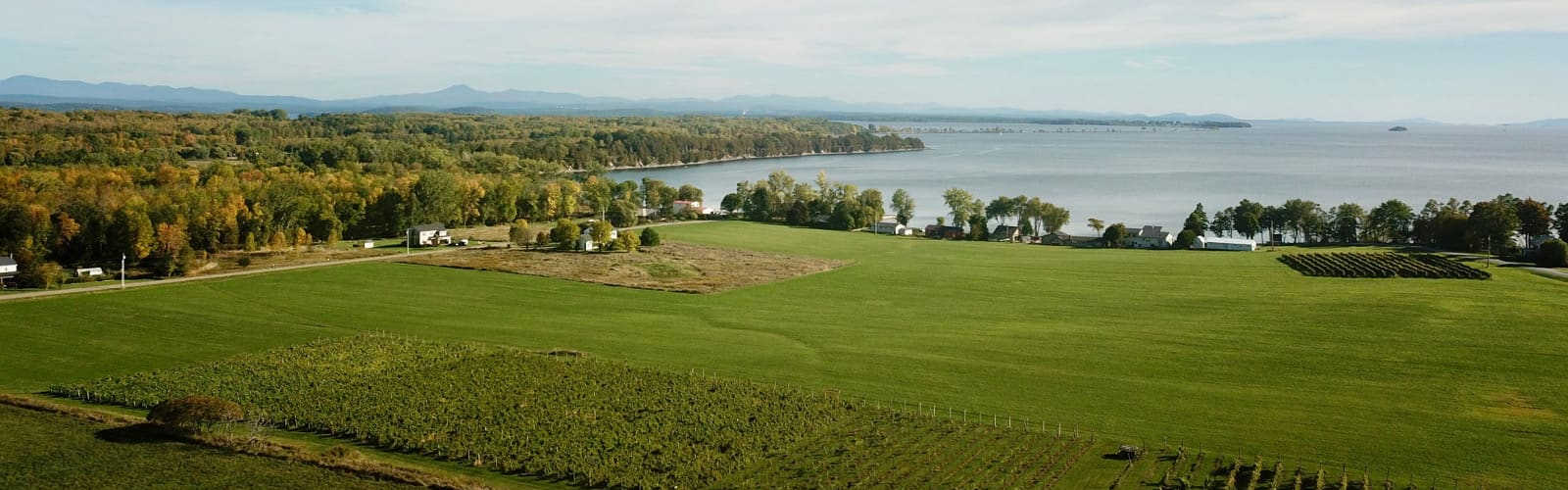
Lake Champlain is Vermont's largest lake and one of the most sought-after locations for waterfront real estate. Stretching along the western border of the state, it offers boating, fishing, swimming, and breathtaking sunsets over the Adirondack Mountains. 

Lakeside towns such as South Hero, Grand Isle, North Hero, Colchester, Burlington, Charlotte, Shelburne, and St. Albans continue to attract buyers looking for both seasonal retreats and year-round lakefront living. Buying lakefront real estate in Vermont is very rewarding, but it requires careful thought. 

Here are some key tips to help you make an informed decision:


1. Research the Lake and Vermont Waterfront Communities

Investigate the lake and its surroundings. Consider factors such as water quality, recreational activities available, the proximity to amenities, and accessibility to the water. A lakefront property with stunning views, a primo beach, and nearby attractions will likely be more desirable to other buyers and could have a higher resale value.


2. Determine How You'll Use Your Vermont Lakefront Property

Before you start your property search, decide how you plan to use the lakefront. Do you need a dock or boat access? Is water quality a priority for swimming? Or are you simply looking for the perfect view? Knowing your non-negotiables will help you focus your search.


3. Understand Vermont Waterfront and Lake Access Types

There are several types of lake access you might encounter: deeded access, direct lakefront, or bisected lakefront. Deeded access means shared use with neighbors and often more affordable properties that are not directly on the lake. Direct lakefront means the water borders your property. A bisected lakefront lot means a road runs between the home and the water with its own pros and cons to consider when choosing your ideal property.


4. Verify Property Boundaries

Ensure you know the exact boundaries of the property, including its waterfront limits. Verify any restrictions or rules concerning the use of the lakefront, docks, boats, and other amenities.


5. Review Vermont’s Shoreland Protection Act

In 2014, the Vermont Legislature passed the Shoreland Protection Act which regulates shoreland development. If you plan to make modifications or build on a waterfront property, investigate the permitting process and potential restrictions. This is crucial to ensure legal compliance, and development feasibility to protect your investment's value and future enjoyment. It provides peace of mind by confirming that the property meets all regulations and environmental requirements to protect lake waters. 


6. Check Flood Zones and Insurance

Your real estate agent can help you access and explain documentation regarding  if the property is in a flood-prone area. Insurance costs can be significantly higher for properties in flood-prone areas, so consider these additional expenses in your budget. If the property is in a flood zone, take this into consideration and how it might affect your investment in the long term.


7. Inspect for Water Damage

When looking at lakefront homes, ask your Realtor if there has been any flooding, erosion, or water damage to the property. When visiting a property, look for any signs of damage. If you decide to make an offer, a professional property inspection may be encouraged to look into these matters further. 


8. Know Local Rules and Regulations

Familiarize yourself with any zoning regulations, local ordinances, and/or homeowner association (HOA) rules that may affect the property. Some homes that have deeded or shared lake access, may have restrictions on noise, boat usage, or property modifications. 


9. Budget for Maintenance and Upkeep

Lakefront properties often come with higher maintenance and insurance costs. Be prepared for additional expenses related to seasonal home maintenance such as watercraft maintenance, dock upkeep, and erosion prevention.


10. Work with a Waterfront Specialist

Working with an experienced local real estate agent who specializes in lakefront properties can be invaluable. They can guide you through the process, provide insights into the area, and help you find suitable properties based on your preferences.

Vermont waterfront properties offer a unique lifestyle that combines recreation, natural beauty, and long-term investment potential. Whether you're searching for a seasonal cottage, luxury lakefront estate, or year-round home on Lake Champlain, working with a local waterfront specialist can help you navigate the process with confidence.

At Coldwell Banker Islands Realty, our agents have been helping buyers and sellers navigate the Lake Champlain waterfront market since 1996. If you're considering buying a lakefront home in Vermont, we'd be happy to help you explore available properties and answer any questions about waterfront ownership.

Get in touch with us today to start your lakefront home-buying journey. 

Summer House-Hunting Mistakes to Avoid in Vermont

Whether you’re planning a move to Northwest Vermont or dreaming of a lakefront escape on Lake Champlain, summer is one of the most active times to begin your home search. New listings hit the market, properties show beautifully, and buyers are eager to secure something before fall.

But with that momentum comes heightened competition, and even small missteps can affect your search. Before you begin touring homes, here are five summer house-hunting mistakes to avoid in 2026.

1. Starting Your Search Without Pre-Approval

It’s tempting to jump straight into browsing listings, especially when new homes are hitting the market daily. But in today’s market, if you’re financing, having a mortgage pre-approval is a crucial first step. 

Knowing your budget helps you focus your search and move quickly when the right home comes along. More importantly, it positions you as a serious buyer in a competitive environment, especially for desirable properties in sought-after towns or waterfront homes.

2. Not Getting Clear on Your Priorities

From wraparound porches to sunset lake views, Vermont homes have a way of pulling you in. But without a clear understanding of what you truly need, it’s easy to get distracted.

Before touring homes, define your non-negotiables:

  • Location (proximity to Burlington, Lake Champlain, Interstate 1-89, etc.)
  • Property type (year-round home, seasonal camp, condo, single-level, etc.)
  • Features (water access, acreage, bedrooms, bathrooms, etc.)

Having a clear vision will save time and help you make a confident decision when the right home appears.

3. Letting the Summer Market Rush Your Decision

Vermont real estate tends to move quickly in warmer months, especially for well-priced homes and lakefront listings. It’s natural to feel pressure to act fast, however rushing into a purchase without proper due diligence can lead to buyer’s remorse.

The key is balance: be prepared to move quickly, but not impulsively. Review disclosures carefully, understand the condition of the home, and lean on a local expert who knows how to navigate competitive situations.

4. Only Thinking About Summer Living

It’s easy to fall in love with a home during peak summer—long days, green landscapes, and lake access at its best. But Vermont living spans all four seasons, so it’s important to envision what life will look like year-round. 

  • Winter road access and snow removal
  • Heating systems and overall energy efficiency
  • Storage for seasonal gear (skis, kayaks, outdoor furniture)
  • For second homes, the typical seasonal use vs. year-round accessibility

Thinking beyond summer will help ensure the home fits your lifestyle in every season—not just the one you’re buying in.

5. Navigating the Process Without Local Expertise

The Northwest Vermont real estate market comes with its own nuances, from waterfront regulations to seasonal properties and zoning considerations.

Working with a local real estate professional gives you a strategic advantage. From early access to listings, to guidance on pricing, inspections, and negotiations, having the right representation ensures a smoother and more informed buying experience.


Whether you're searching for a primary residence or a seasonal getaway avoiding these common summer house-hunting mistakes can make all the difference on the journey to finding the right Vermont home. 

Thinking about buying in Northwest Vermont this summer? Connect with a local real estate expert to start your search with confidence—or explore available homes and discover what’s currently on the market.


Spring Gardening Tips to Refresh Your Home's Curb Appeal

Whether you’re preparing your home for the summer season or thinking about selling in Northwest Vermont, enhancing your curb appeal is a simple yet impactful place to start. A well-maintained garden and inviting outdoor space can instantly elevate your home’s first impression. With warmer days ahead, spring is the perfect time to refresh your landscaping and get your property looking its best.


1. Clean Up Your Garden Beds
Remove dead leaves, debris, fallen branches, and any weeds that have started to sprout. Add a fresh layer of mulch to help retain moisture, suppress weeds, and give your garden beds a clean, finished look.


2. Plant Colorful Annuals
Add instant charm with colorful annuals that thrive in Vermont’s spring and summer climate. Look for native plants that will withstand Vermont weather conditions as well as support the local ecosystem. Plant them in clusters for a fuller, more eye-catching display.


3. Add a Container Garden
Container gardens are one of the easiest ways to brighten up a front porch, entryway, or patio. Choose planters that complement your home’s exterior and consider potted flowers, greenery, or hanging baskets.


4. Trim Shrubs & Trees
Overgrown landscaping can hide your home’s best features. Trim shrubs and trees back to their natural shape, remove dead branches, and cut back anything blocking walkways, driveways, windows, or entryways.


5. Add Window Boxes
 Window boxes add charm, color, and character to your home’s exterior. They’re especially great for smaller spaces, porches, balconies, or homes without large garden beds.


Spring in the Lake Champlain Valley Region brings a natural opportunity to refresh your home’s exterior and make a lasting first impression. Whether you’re sprucing up your yard for the summer or considering a move, simple updates to your landscaping can go a long way. As the season shifts, now is the perfect time to tidy up your outdoor spaces and enhance the overall look and feel of your property.


If selling is on your radar this season, having the right strategy in place can make all the difference. From pricing and timing, to marketing your home effectively, our real estate agents at Coldwell Banker Islands Realty can guide you through every step of the process. Contact us for personalized insight on the Northwest Vermont real estate market and how to position your home to stand out.


Why Social Media Matters When Selling Your Home in Vermont

In Vermont’s competitive real estate market—especially for unique properties and highly sought-after lakefront homes—how your home is marketed online can make all the difference. In today’s digital-first world, simply listing a property in the MLS isn’t enough. To sell quickly and at the best price, your home needs maximum exposure—and a strong social media marketing strategy plays a key role in achieving that.

Buyers Start Their Home Search Online

With the majority of homebuyers starting their search online, social media has become a vital tool for showcasing properties. Platforms like Instagram and Facebook offer unparalleled opportunities to reach thousands of potential buyers quickly.

In 2025 alone, our content reached over 6 million accounts, growing a community of more than 25,000 followers. We’ve seen firsthand how powerful a strong digital presence can be in connecting Vermont properties with serious buyers. Working with a brokerage that prioritizes social media ensures your home is seen by a wider, more engaged audience.

Captivating Content Captures Buyers

Basic photos aren’t enough to sell a home. Today’s homebuyers expect high-quality visuals and engaging video content. That’s why we utilize HDR photography, drone imagery, and professionally crafted short-form videos shared across Instagram, Facebook, and YouTube to highlight your home’s best features.

A recent lakefront home in South Hero demonstrates the impact. We created short-form videos to showcase both the property and the lifestyle, along with a full YouTube tour to reach buyers near and far. This listing had over 149K views across our video content, the property went under contract in just 5 days, and sold above asking. Each piece of content directed viewers back to the full listing, complete with professional photography and detailed information—helping potential buyers fully experience the home before ever stepping inside.

More Visibility Means Better Results

The goal of social media marketing isn’t just to generate likes and views—it’s to attract serious buyers ready to make offers. Our strategies are designed to connect your home with a wider audience, creating more opportunities to sell faster and at a competitive price.

When you list with us, you’re not just getting a listing, you're leveraging one of the most powerful real estate marketing platforms in Northwest Vermont designed to showcase your home drive meaningful interest. Don’t make the mistake of listing with a brokerage that overlooks the power of modern marketing. Today’s buyers are online, and your strategy should meet them there.

Ready to sell smarter? Let us guide you with a personalized marketing plan designed to help your home stand out in today’s competitive market. Contact us today to get started.

6 Things Home Sellers Can Do Now to Get Ahead of Spring

Vermont home sellers preparing property ahead of spring market

If selling your home is a possibility this spring, now is a good time to start planning. While it may feel early, preparing ahead of time can make the process smoother and less stressful—and often leads to better results. Small, thoughtful steps taken now can help you feel more confident when it’s time to list.

Here are a few practical things Vermont homeowners can do now to get ahead of the spring real estate market.

1. Take an Honest Walk-Through of Your Home

Walk through your home as if you were seeing it for the first time. Pay attention to first impressions. What feels dated, cluttered, or worn? What areas catch your eye right away—for better or worse? 

This exercise can help you identify which updates or improvements will have the most impact, and which areas may need attention before photos and showings.

2. Start Decluttering (Earlier Than You Think)

Decluttering is one of the most effective (and time-consuming) ways to prepare a home for sale. Starting early allows you to work gradually rather than rushing later.

Focus on:

  • Kitchen counters and open shelving: Clear surfaces help signal ample storage and make spaces feel more functional.

  • Entryways: A tidy, welcoming entrance sets the tone for the rest of the home.

  • Closets: Buyers look closely at storage. Reorganizing or thinning out items can make closets feel more spacious.

Decluttering also helps you decide what you’ll keep, donate, or store ahead of your move.

3. Tackle Small Repairs

Minor issues tend to stand out to buyers and can affect overall impressions. Addressing them now allows you to spread the work over time or schedule help as needed.

Common items to check include:

  • Loose door handles or cabinet hardware

  • Minor drywall cracks or nail pops

  • Dripping faucets or running toilets

  • Sticky doors or windows

These are often simple fixes that can make a noticeable difference.

4. Freshen High-Impact Areas

A full renovation isn’t necessary, but freshening up key spaces with paint can go a long way. Light, neutral paint colors help rooms feel brighter and more inviting. Pay attention to scuffed baseboards or trim as well. 

5. Begin Planning for Outdoor Appeal

Spring buyers notice curb appeal. Consider what someone sees as they arrive—driveway, walkways, main entrance, or decks. Creating a plan now for yard cleanup or light landscaping can help your property shine once the season changes.

6. Think About Timing and Goals

As you work through these tasks, start thinking about your next steps. What timing works best for you? What are your priorities for the sale? Are you aiming for a fast sale, price, or a balance of both? Having clarity around your goals helps create a smoother path forward.

Final Thought
Preparing your home for sale is as much about planning as it is about presentation. Taking these steps now can reduce stress later and help you feel ready when spring arrives. If you’re considering selling and would like guidance tailored to your home and timeline, our team is happy to offer local insight—no pressure, just information to help you plan with confidence.

1-5 of 30 Posts
Recommended Searches