Islands Realty

The Best Wineries to Visit in The Lake Champlain Islands

Best Wineries to Visit in Vermont's Lake Champlain Islands

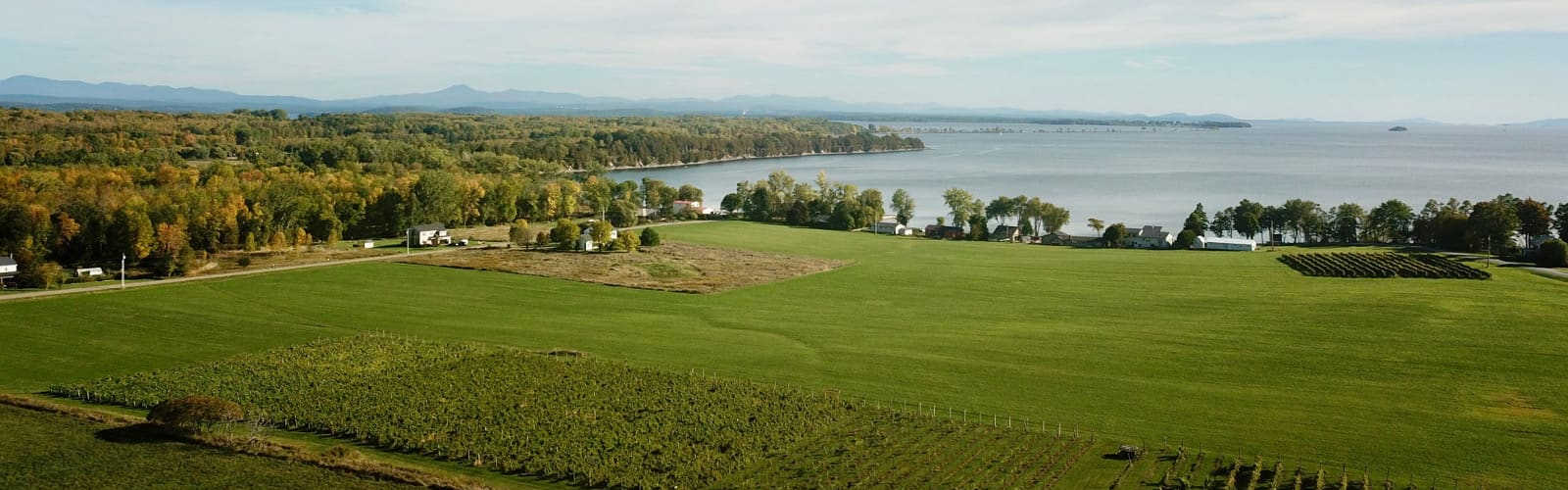
Visiting wineries in the Lake Champlain Islands of Vermont promises a delightful and unique experience. The wineries offer a chance to explore the region's scenic beauty while indulging in exquisite wines crafted with local expertise. From picturesque vineyards overlooking the lake to charming tasting rooms, these wineries provide a perfect blend of natural splendor, warm hospitality, and the opportunity to sample exceptional wines made from locally grown grapes.

Snow Farm Vineyard 

Experience Snow Farm Vineyard, located on the picturesque shores of Lake Champlain in South Hero, Vermont. Indulge in exquisite wines, enjoy a delightful picnic amidst the vineyard, and wander the historic farm. Immerse yourself in a truly unique vineyard and winery experience, surrounded by expansive landscapes that capture the essence of the Islands. Don't miss their lively outdoor concert series, every Thursday evening throughout the summer months.  Learn More

Ellison Estate Vineyard

Ellison Estate Vineyard is a regenerative farm with a tasting room on the beautiful East Shore of Grand Isle, Vermont, which is open from 12-5 pm on Fridays and Saturdays. Their tasting room is a vibrant gathering place that aims to craft captivating, native Vermont wines while nurturing a strong sense of community. Their grapes are grown in Grand Isle, Vermont, then processed at their winery basement in Stowe, Vermont. Learn More

Isle La Motte Vineyard

Discover a charming vineyard Isle La Motte, Vermont, spanning nearly two acres. The vineyard is located on Shrine Road, and their daily schedule runs Thursday through Sunday, 1 pm - 6:00 p.m. and includes Monday and holidays. They specialize in Marquette grapes for rich red wines and LaCrescent for exquisite whites and also incorporate additional varieties like Frontenac, Frontenac Blanc, and Louise Swenson for added depth. Learn More


Whether you're a wine enthusiast or simply seeking a memorable getaway, a visit to the wineries in the Lake Champlain Islands is sure to leave you with a lasting appreciation for Vermont's wine culture and stunning surroundings.

Looking for more things to do in Vermont’s Lake Champlain Islands? Check out six things to do this summer.


Comments

  1. No comments. Be the first to comment.

6 Things To Do In The Champlain Islands This Summer

Six things to do in the Lake champlain islands this summer in Vermont

Make the most of Summer 2023 by exploring all that the Lake Champlain Islands of Vermont have to offer. We've created a guide for the top must-try activities and events happening in each Champlain Island town to add to your summer bucket list. 

 Paddleboarding In North hero, Vermont

1. SUP & Lunch On The Lake | North Hero, VT.

North Hero Marina is offering stand-up paddle board rentals this summer. Enjoy a scenic paddle around Pelots and Carry Bay, and then enjoy lunch or dinner at Drifters, located right at the marina with views of the lake and marina. Learn more here

Isle La Motte Recreational Park in Vermont

2. Biking & Music In The Park | Isle La Motte, VT.

On July 14th, The Nobby Reed Project will perform at the Isle La Motte Recreational Park. The show is free, and meals are available for purchase. Make a day of this event! Spend the day biking or exploring the scenic town and landmarks like St Anne Shrine, the town beach, The Quarry, Goodsell Ridge, and Isle La Motte Vineyard. Learn more about Music In The Park

Kramer and Kin Brewery in Alburgh, Vermont         

3. Brew Hop & Golf | South Hero & Alburgh, VT.

Visit the Champlain Islands' local breweries, Two Heroes and Kraemer & Kin. Start your day in South Hero at the Two Heroes tasting room at 1 Ferry Road, then take a scenic drive up to the Alburgh Golf Links, where you can play a round of golf and then enjoy a meal and cold beer at Kraemer & Kin. Visit Kraemer & Kin and Two Heroes for more information.

Worthen Library in South Hero, Vermont

4. MAGIC! With Tom Joyce | South Hero, VT.

Kids Event! On Thursday, July 13th, Tom Joyce will return to perform one of his amazing magic shows! New books and new tricks, all in one exciting event. Ages 4 and up. Learn more here.

Camping at Grand Isle State Park in Vermont

5. Staycation at Grand Isle State Park | Grand Isle, VT. 

Grand Isle State Park is Vermont's most visited state park; it has great camping and even nature trails. The extensive shoreline is set up nicely for both fishing and swimming. Make sure to reserve your campsite before you plan your getaway.

Alburgh Dunes State Park in Alburgh, Vermont

6. Beach Day At The Alburgh Dunes | Alburgh, VT.

Soak up summer at one of the longest beaches on Lake Champlain. The Alburgh Dunes is a natural sand beach in south Alburgh that offers day use access to one of the Islands most beautiful beaches. Pack the coolers and sunscreen and enjoy this wonderful Vermont State Park. Visit their website to learn more.

Summer in Vermont is the perfect time to explore the wonders of the Lake Champlain Islands region. Whether attending lively festivals, indulging in local cuisine, or embarking on outdoor adventures, this bucket list will fill your summer with unforgettable experiences. So pack your bags, gather your loved ones, and prepare to create cherished memories by the lake! 

Learn more about Life in the Lake Champlain Islands

Comments

  1. No comments. Be the first to comment.

Hidden Home:Contemporary Lakefront Residence

July’s Hidden Home is an exquisite lakefront residence located on Maquam Shore in Swanton, Vermont. This contemporary residence was designed for you to enjoy the ultimate in luxury, comfort, style and elegance. The interior design is light filled and open with coffered ceilings, Hubbardton Forge sconces, and beautifully crafted trim work throughout the home.

Watch to see the interior and subscribe to our YouTube Channel to see more Hidden Vermont Homes! 

The Importance of Knowing Your Home's Assessed Value versus Market Value

When it comes to owning a home, understanding its value is crucial. While the market value may be more commonly discussed, homeowners should also pay attention to the assessed value. In this blog post, we will explore why it is essential to know both values, how they differ, and how they can impact your financial decisions and overall homeownership experience. By gaining a clear understanding of your home's assessed and market values, you will be better equipped to make informed choices regarding property taxes, insurance, refinancing, and selling.


Assessed Value: Unveiling the Basics

Assessed value refers to the value assigned to a property by a local government entity for taxation purposes. It is typically determined by a tax assessor based on factors such as property size, location, age, and recent improvements. Assessments are usually conducted periodically, with variations in frequency depending on the jurisdiction. The primary purpose of assessed value is to determine property tax obligations for homeowners.

Knowing the assessed value of your home is essential for several reasons. Firstly, it provides a basis for calculating property taxes, which are often the largest source of revenue for local governments. Secondly, it allows homeowners to evaluate the fairness of their property tax assessment and potentially challenge it if they believe it to be inaccurate. Thirdly, understanding your assessed value can help you plan your budget and manage your property tax payments effectively.


Market Value: Unlocking the Potential

In contrast to the assessed value, the market value represents the price a property would command in the current real estate market. It is determined by various factors, including location, property condition, recent sales of comparable properties, and overall demand. Market value fluctuates over time, influenced by economic conditions, housing market trends, and buyer preferences.

Knowing the market value of your home is crucial for different reasons. Firstly, it provides an accurate estimation of the property's worth, enabling you to make informed decisions about selling or refinancing. Secondly, understanding the market value allows you to assess your home's equity, which is the difference between its market value and any outstanding mortgage balance. Equity can be leveraged for various financial purposes, such as obtaining a home equity loan or line of credit. Lastly, market value knowledge allows you to monitor trends in the real estate market, enabling you to make informed decisions about buying or selling other properties in the future.


Understanding the Differences

While both assessed value and market value are significant in their respective contexts, they differ in purpose and methodology. The assessed value focuses on determining property taxes and is primarily based on fixed criteria set by local governments. On the other hand, market value reflects the dynamic nature of the real estate market and is influenced by various factors beyond tax considerations.

The assessed value often falls short of the market value due to its infrequent updates and reliance on standardized methods. Assessments are usually conducted on a periodic basis, such as every few years, which means the assessed value may not accurately represent the property's current worth. Conversely, market value is influenced by the latest market trends, recent sales data, and property conditions, providing a more up-to-date and comprehensive estimation.


Practical Implications and Benefits

Knowing your home's assessed value and market value offers several practical implications and benefits. Let's delve into a few of them:

  1. Property Taxes: Understanding the assessed value helps you anticipate property tax obligations accurately. If you believe your assessed value is inaccurate, you can request a reassessment or appeal the assessment, potentially saving money on taxes.

  2. Insurance Coverage: Both assessed and market values play a role in determining the appropriate insurance coverage for your home. While the assessed value may guide the minimum insurance requirement, the market value helps you ascertain adequate coverage in case of damage or loss.

  3. Refinancing Opportunities: When considering refinancing, knowing your home's market value helps you determine whether it is the right time to refinance and what terms and rates you can expect from lenders. It also assists in assessing the loan-to-value ratio, which affects the availability of refinancing options.

  4. Selling Considerations: Understanding your home's market value is crucial when selling. It helps you set a competitive listing price, attracting potential buyers and maximizing your chances of a successful sale. It also assists in negotiating with buyers, ensuring a fair deal for both parties.

  5. Financial Planning: Knowledge of your home's assessed and market values allows for better financial planning. It helps you gauge your net worth, assess your property's performance as an investment, and make informed decisions about leveraging equity or diversifying your assets.


In conclusion, understanding both your home's assessed value and market value is vital for homeowners. While assessed value determines property taxes, market value reflects current market conditions and helps make informed financial decisions. By knowing these values, homeowners can navigate the complexities of homeownership with confidence and maximize their property's potential.


If you would like to learn more about your home’s value, we’re here to help. Our Realtors have the expertise and in-depth knowledge of the Vermont real estate market to assist you in discovering both your assessed and market value and how they compare.

Market Trends for Grand Isle County, May 2023

Graphic: Real Estate Market Trends for Grand Isle County, Vermont May 2023

Are you curious about the current state of the Grand Isle County real estate market? Let's take a look at some key metrics to better understand what's going on.

First up, we have the Months Supply of Inventory, which currently stands at 4.09. This means that if no new homes were added to the market, it would take just over four months to sell all of the existing homes. So, we can say that the market is relatively balanced at the moment.

However, when we look at the 12-Month Change in Months of Inventory, we see that it has increased by a whopping 73.31%. This means that there are more homes available for sale than there were a year ago, which could lead to increased competition and lower prices.

Despite this increase in inventory, the Median Days Homes are On the Market is only six. This indicates that homes are selling quickly, likely due to low interest rates and high demand.

When it comes to List to Sold Price Percentage, we see that it is currently at 100.3%. This means that, on average, homes are selling for slightly more than their list price. This could be due to bidding wars or a lack of inventory in certain areas.

Finally, we have the Median Sold Price, which currently sits at $391,101. This is a good indicator of the overall health of the market, as it shows that home values are holding steady.

So, what can we conclude from these metrics? Overall, the market is relatively balanced, but there are more homes available for sale than there were a year ago. Despite this, homes are still selling quickly and for slightly more than their list price. And, most importantly, home values are holding steady.

As a buyer or seller, it's important to keep these metrics in mind when making decisions about the market. But remember, there are many other factors that can impact the buying and selling process, so it's always a good idea to consult with a real estate professional for personalized advice. To connect with a Realtor please contact us or call (802) 372-5777.

Thanks for tuning in, and happy house hunting!


161-165 of 341 Posts
Recommended Searches