Buying & Selling

Why Spring is a Great Time to Sell Your Home

Spring Selling in Vermont

Are you considering putting your home on the market? If so, springtime is a great time of year to do so in Vermont. As the flowers bloom and the temperature rises, the local real estate market heats up as well. Here are several reasons why spring is an excellent time to sell your Vermont property:

1. High Demand:

Spring often sees an increase in buyer activity. Over the last few years, the demand for homes in Vermont has risen greatly and there is no sign of it easing. This is a great opportunity for homeowners thinking of selling. With the end of the winter season, many people are now ready to embark on their home-buying journey. Many people also prefer to go through the moving process in warmer weather rather than in the middle of winter.

2. Curb Appeal:

During spring, your home is likely to look its best. With trees blossoming, lawns turning green, and flowers in full bloom, the exterior of your property can make a lasting impression on potential buyers. Take advantage of this natural beauty to enhance your home's curb appeal and attract more interested parties.

3. Longer Days:

With daylight extending into the evening hours, prospective buyers have more time to view properties after work or on weekends. This increased daylight allows for more flexibility in scheduling showings, making it easier for buyers to explore homes during the spring months.

4. School Year Timing:

For people with school-age children, moving during the summer months offers the least disruption to the school year schedule. By listing your home in the spring, you allow this subset of buyers to find a new home and settle in before the next school year begins. This can be a significant factor for many people when considering a move.

5. Favorable Weather:

Spring weather is generally more pleasant compared to the extremes of winter and summer. Mild temperatures and sunny skies make house hunting more enjoyable for buyers, encouraging them to venture out and explore available properties.

If you're contemplating selling your home, spring presents an opportune time. The combination of high demand, enhanced curb appeal, longer days, consideration for the school year, and favorable weather conditions make spring an attractive season for both buyers and sellers alike. 

By leveraging the unique advantages of the spring season, you can maximize your chances of a successful and timely sale. Are you ready to take the next step? Contact us today to discuss your selling goals and learn how we can help you navigate the spring selling season successfully.


5 Ways Up Your Curb Appeal This Fall

Fall in Vermont is a magical time of year. As the vibrant hues of summer fade into the crisp shades of fall, our homes undergo a transformation too. Creating curb appeal isn't just vital when you're selling your home; it's about taking pride in your property and making it a welcoming haven for your family and guests. A well-maintained exterior not only leaves a lasting impression on visitors but also adds value to your property. This fall, seize the opportunity to elevate your home's charm. Below are five easy ways to boost your curb appeal during this enchanting season.

5 Ways To Up Curb Appeal This Fall - Embrace Fall Foliage

  1. Embrace Fall Foliage

The natural beauty of fall presents an excellent opportunity to enhance your home's curb appeal. Planting seasonal flowers like chrysanthemums, pansies, or marigolds can add vibrant pops of color. Additionally, consider incorporating autumnal elements like pumpkins, gourds, and hay bales into your landscaping. These simple touches can transform your outdoor space into a warm and inviting sanctuary. 


  1. Illuminate Your Entryway 

As the days grow shorter, adequate lighting becomes crucial. Upgrade your outdoor lighting fixtures to create a warm ambiance. Consider adding path lights along the walkway and installing a stylish pendant light or a pair of sconces near the entrance. Proper lighting not only enhances safety but also highlights the architectural features of your home, boosting its overall appeal.

5 Ways To Up Curb Appeal This Fall - Revitalize Your Front Door

  1. Revitalize Your Front Door: 

Your front door is a focal point that can greatly influence your home's curb appeal. This fall, consider giving your door a fresh coat of paint in a bold, autumn-inspired color such as deep red, rich brown, or forest green. Don't forget to polish the hardware or even invest in a new doorknob and knocker to complete the look. A well-maintained and visually appealing front door instantly elevates your home's charm.

5 Ways To Up Curb Appeal This Fall - Tend To Your Lawn

  1. Tend to Your Lawn and Garden: 

Fall is the perfect time to prepare your lawn and garden for the upcoming seasons. Rake fallen leaves, trim overgrown bushes, and remove any dead plants. Invest in quality mulch to nourish your garden beds and protect your plants during the colder months. A manicured lawn and well-tended garden not only enhance your home's curb appeal but also create a serene outdoor space for relaxation.

5 Ways To Up Curb Appeal This Fall - Spruce Up Exterior

  1. Spruce Up The Exterior of Your Home

One of the most overlooked aspects of curb appeal is the cleanliness of your home's exterior. Over the year, dirt, grime, and debris can accumulate on your house, making it look worn and unkempt. This fall, make it a priority to assess the exterior of your home and consider cleaning the gutters, pressure washing your siding, and/or washing your windows. Clean gutters will not only look good, it will ensure water flows properly away from your home preventing future issues during the winter. Pressure washing will remove stubborn stains, dirt, and cobwebs restoring the siding's original color. A good window washing will enhance the view and appearance of your home. 


Boosting your curb appeal this fall isn't just a way to impress potential buyers; it's a means of expressing your pride in your home and creating a warm, inviting atmosphere for everyone who visits. By embracing the beauty of fall, focusing on illumination, revitalizing your front door, tending to your lawn and garden, and paying attention to the exterior details, you can transform your home into a stunning masterpiece. So, roll up your sleeves, gather your gardening tools, and get ready to enhance your home's appeal this fall. Your dreamy, autumn-inspired abode awaits!


Want a professional opinion on how to improve your home? Connect with a real estate expert today.

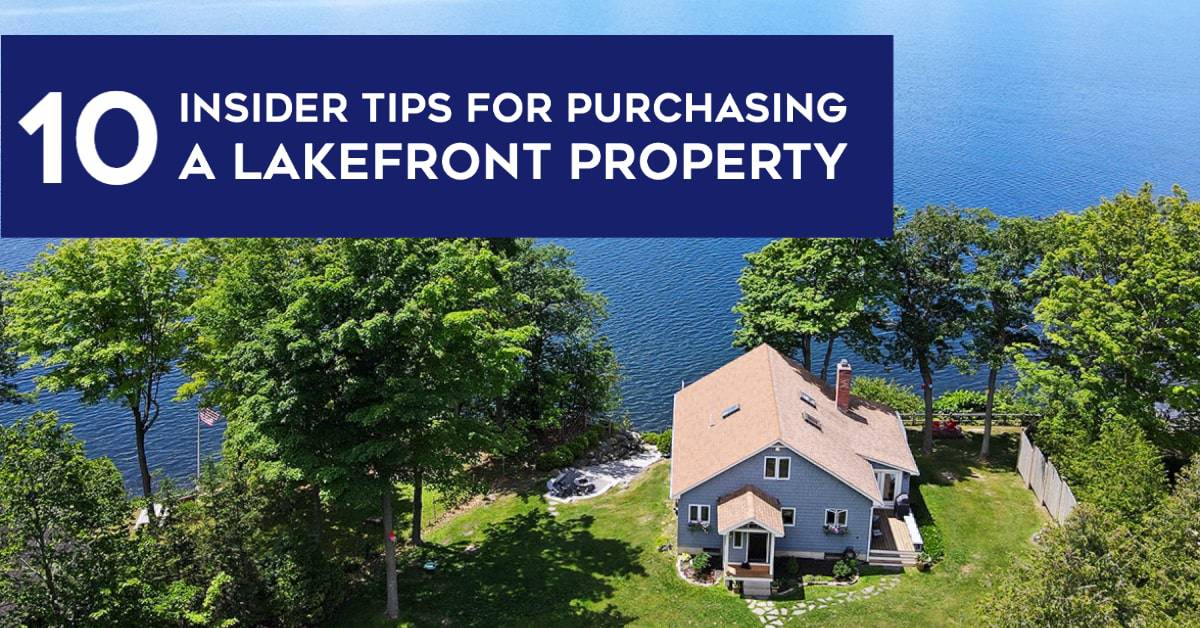
10 Insider Tips for Purchasing A Lakefront Property

10 Insider Tips For Purchasing A Lakefront Property

Are you considering purchasing a Vermont lakefront property? If so, it is essential to partner with a Realtor who is a waterfront real estate specialist and can help you navigate the many nuances of owning a property on the water. Buying lakefront real estate can be an exciting and rewarding investment, but it also requires careful consideration due to its unique characteristics. Here are some tips to help you make an informed decision when buying a lakefront property:

  1. Research the location

Investigate the lake and its surroundings. Consider factors like water quality, recreational activities available, proximity to amenities, and accessibility to the water. A lakefront property with stunning views, a primo beach, and nearby attractions will likely be more desirable to other home buyers and could have a higher resale value.

  1. Decide how you intend to use the waterfront 

When you begin your search, decide how you plan to use the lakefront. Do you have a boat and would like a dock, mooring, or boat launch? Are you an avid swimmer so water quality is important to you? Or are you just searching for the perfect water view? Deciding on your non-negotiables will help you narrow down what properties to look at. 

  1. Lake access, direct lakefront, and bisected lakefront

There are different types of lake access you can find in The Lake Champlain Islands: deeded lake access, directly adjoining, or bisected lakefront. Lake access is shared among neighbors and the properties can be more affordable. Direct lakefront is directly adjoining the property. A bisected lakefront is when a road runs through the property. In The Islands, many properties are bisected by the road and this comes with pros and cons and is something to consider while deciding what your ideal property would be.

  1. Understand the property boundaries 

Ensure you know the exact boundaries of the property, including its waterfront limits. Verify any restrictions or rules concerning the use of the lakefront, docks, boats, and other amenities.

  1. Review the Vermont Shoreland Protection Act

In 2014, the Vermont Legislature passed the Shoreland Protection Act which regulates shoreland development. If you plan to make modifications or build on a waterfront property, investigate the permitting process and potential restrictions. This is crucial to ensure legal compliance, and development feasibility to protect your investment's value and future enjoyment. It provides peace of mind by confirming that the property meets all regulations and environmental requirements to protect lake waters. 

  1. Check flood zones and insurance 

Your Realtor can help you determine if the property is in a flood-prone area. Insurance costs can be significantly higher for waterfront properties, so consider these additional expenses in your budget. If the property is in a flood zone, take this into consideration and how it might affect your investment in the long term.

  1. Investigate for any property damage

When looking at lakefront homes, ask your Realtor if there has been any flooding, erosion, or water damage to the property. When visiting a property, look for any signs of damage. If you decide to make an offer, a professional property inspection is highly encouraged to look into these matters further. 

  1. Know the rules and regulations

Familiarize yourself with any zoning regulations, local ordinances, and/or homeowner association (HOA) rules that may affect the property. Some homes that have deeded or shared lake access, may have restrictions on noise, boat usage, or property modifications. 

  1. Budget for ongoing costs

Lakefront properties often come with higher maintenance and insurance costs. Be prepared for additional expenses related to seasonal home maintenance such as watercraft maintenance, dock upkeep, and erosion prevention.

  1. Hire a specialized waterfront real estate agent 

Working with an experienced local real estate agent who specializes in lakefront properties can be invaluable. They can guide you through the process, provide insights into the area, and help you find suitable properties based on your preferences.


Remember to take your time and carefully assess your needs and priorities when looking at a waterfront property. Purchasing lakefront real estate can be a fantastic investment, providing years of enjoyment and potential appreciation if you make well-informed decisions. Ready to start your lakefront home search? Our Realtors are waterfront specialists who have been helping people buy and sell Lake Champlain lakefront properties since 1996. The majority of our agents also are certified in Natural Shoreland Erosion Control Practices, allowing them to provide expert advice on improving your lakefront property while protecting Lake Champlain through best practices and referrals to certified professionals.

Get in touch with us today to start your lakefront home-buying journey. 

The Importance of Knowing Your Home's Assessed Value versus Market Value

When it comes to owning a home, understanding its value is crucial. While the market value may be more commonly discussed, homeowners should also pay attention to the assessed value. In this blog post, we will explore why it is essential to know both values, how they differ, and how they can impact your financial decisions and overall homeownership experience. By gaining a clear understanding of your home's assessed and market values, you will be better equipped to make informed choices regarding property taxes, insurance, refinancing, and selling.


Assessed Value: Unveiling the Basics

Assessed value refers to the value assigned to a property by a local government entity for taxation purposes. It is typically determined by a tax assessor based on factors such as property size, location, age, and recent improvements. Assessments are usually conducted periodically, with variations in frequency depending on the jurisdiction. The primary purpose of assessed value is to determine property tax obligations for homeowners.

Knowing the assessed value of your home is essential for several reasons. Firstly, it provides a basis for calculating property taxes, which are often the largest source of revenue for local governments. Secondly, it allows homeowners to evaluate the fairness of their property tax assessment and potentially challenge it if they believe it to be inaccurate. Thirdly, understanding your assessed value can help you plan your budget and manage your property tax payments effectively.


Market Value: Unlocking the Potential

In contrast to the assessed value, the market value represents the price a property would command in the current real estate market. It is determined by various factors, including location, property condition, recent sales of comparable properties, and overall demand. Market value fluctuates over time, influenced by economic conditions, housing market trends, and buyer preferences.

Knowing the market value of your home is crucial for different reasons. Firstly, it provides an accurate estimation of the property's worth, enabling you to make informed decisions about selling or refinancing. Secondly, understanding the market value allows you to assess your home's equity, which is the difference between its market value and any outstanding mortgage balance. Equity can be leveraged for various financial purposes, such as obtaining a home equity loan or line of credit. Lastly, market value knowledge allows you to monitor trends in the real estate market, enabling you to make informed decisions about buying or selling other properties in the future.


Understanding the Differences

While both assessed value and market value are significant in their respective contexts, they differ in purpose and methodology. The assessed value focuses on determining property taxes and is primarily based on fixed criteria set by local governments. On the other hand, market value reflects the dynamic nature of the real estate market and is influenced by various factors beyond tax considerations.

The assessed value often falls short of the market value due to its infrequent updates and reliance on standardized methods. Assessments are usually conducted on a periodic basis, such as every few years, which means the assessed value may not accurately represent the property's current worth. Conversely, market value is influenced by the latest market trends, recent sales data, and property conditions, providing a more up-to-date and comprehensive estimation.


Practical Implications and Benefits

Knowing your home's assessed value and market value offers several practical implications and benefits. Let's delve into a few of them:

  1. Property Taxes: Understanding the assessed value helps you anticipate property tax obligations accurately. If you believe your assessed value is inaccurate, you can request a reassessment or appeal the assessment, potentially saving money on taxes.

  2. Insurance Coverage: Both assessed and market values play a role in determining the appropriate insurance coverage for your home. While the assessed value may guide the minimum insurance requirement, the market value helps you ascertain adequate coverage in case of damage or loss.

  3. Refinancing Opportunities: When considering refinancing, knowing your home's market value helps you determine whether it is the right time to refinance and what terms and rates you can expect from lenders. It also assists in assessing the loan-to-value ratio, which affects the availability of refinancing options.

  4. Selling Considerations: Understanding your home's market value is crucial when selling. It helps you set a competitive listing price, attracting potential buyers and maximizing your chances of a successful sale. It also assists in negotiating with buyers, ensuring a fair deal for both parties.

  5. Financial Planning: Knowledge of your home's assessed and market values allows for better financial planning. It helps you gauge your net worth, assess your property's performance as an investment, and make informed decisions about leveraging equity or diversifying your assets.


In conclusion, understanding both your home's assessed value and market value is vital for homeowners. While assessed value determines property taxes, market value reflects current market conditions and helps make informed financial decisions. By knowing these values, homeowners can navigate the complexities of homeownership with confidence and maximize their property's potential.


If you would like to learn more about your home’s value, we’re here to help. Our Realtors have the expertise and in-depth knowledge of the Vermont real estate market to assist you in discovering both your assessed and market value and how they compare.

Summer House-Hunting Mistakes to Avoid

Summer House-Hunting Mistakes to avoid

The sizzling summer house-hunting season is off to a busy start! Before embarking on your search for a Vermont home, it’s crucial to be mindful of common mistakes that can impede your search and potentially result in regretful decisions. Familiarize yourself with these pitfalls to better prepare yourself this summer. 

1. Not getting pre-approved 

No matter the season, talking to a lender and getting prequalified for a mortgage before you start looking at Vermont real estate is essential. This will give you a better idea of how much you may be able to borrow, which will help you determine how much you can spend on a home. Tell your lender once you find a home you want to make an offer on.

2. Neglecting to establish priorities

Before beginning your search, clearly define your priorities and non-negotiables. Consider factors such as location, amenities, size, and budget. Knowing what you want will help you stay focused and avoid wasting time on properties that don't align with your needs.

3. Getting caught up in the summer frenzy 

The fast-paced nature of the summer housing market can lead to rushed decisions. It's important to remain level-headed and not let the competitive atmosphere sway you into impulsive choices. Take the time to thoroughly assess each property and consult with your real estate professional before making an offer.

4. Forgetting about future considerations

While you are in a summer state of mind, it's essential to consider the property's suitability beyond the summer months. Think about its year-round functionality, potential for rental income, and how it aligns with your long-term plans.

5. Not working with a local real estate agent

Attempting to navigate the summer housing market alone can be overwhelming and potentially detrimental. Consider hiring a Vermont REALTOR® as a buyer’s representative. Unlike a listing agent, whose first duty is to the seller, a buyer’s representative is working only for you.  They will provide invaluable guidance, help you navigate the process, and negotiate on your behalf.

By avoiding these common mistakes, you'll be better equipped to make informed decisions, find a home that meets your needs, and ensure a successful summer house-hunting experience. Ready to start your search for your Vermont home? Schedule a buyer consultation with a Vermont real estate professional today or start getting to know the real estate market in your desired area with our MLS Search tool.

16-20 of 29 Posts
Recommended Searches