Summer is over, and now is the time to take care of a few important chores and get home ready for Vermont winter. Those cold nights and mornings seem to arrive quickly, so it’s nice to have a these essential items checked off before the first snow. Your future self will thank you for taking care of them now, helping prevent unexpected problems and keeping your home comfortable through the winter.
Here are a few things worth adding to your October to-do list.
Check for Air Leaks
As the first cold mornings arrive, take a walk around your home and check for drafts around exterior doors and windows. Those small leaks may not seem like much in October, but you'll notice them a lot more when the temperature drops and the heat is running around the clock. Some fixes are relatively simple, such as adding weatherstripping or caulking around windows. Larger gaps or areas that are difficult to identify may be worth having a contractor evaluate.
Have Your Chimney Cleaned & Inspected
Many Vermont homes have a fireplace or woodstove, so now is the time to make sure it's ready for another season. For many homeowners, a woodstove is essential for getting through the colder months. A professional chimney cleaning and inspection can remove built-up creosote and identify potential problems before you start using the fireplace regularly.
Schedule Your Annual Furnace Service
Whether your home is heated by a furnace, heat pump, boiler, or another system, fall is the time to make sure everything is ready for the colder months. Nobody wants to discover a heating problem when temperatures drop below zero. Having it professionally serviced in the fall gives you a chance to catch potential issues before they become a midwinter emergency.
It's also a good time to check your filters. Many filters should be replaced about every three months, although the right schedule depends on the type of filter and your home's system. A clean filter helps your system operate efficiently and can contribute to better indoor air quality.
Check Filters and Vents
Your heating system isn't the only thing in the house that relies on a clean filter. Fall is a good time to work through the filters, vents, and exhaust areas throughout your home.
Depending on what you have, your list might include:
Furnace or heat pump filters
Refrigerator water filters
Dishwasher filters
Air purifiers and humidifiers
Vacuum filters
Dryer lint filters and exhaust ducts
Range hood and over-the-range microwave filters
Some need regular replacement, while others simply need a good cleaning. Check the manufacturer's recommendations for each appliance rather than assuming everything follows the same schedule.
Clean Your Gutter and Downspouts
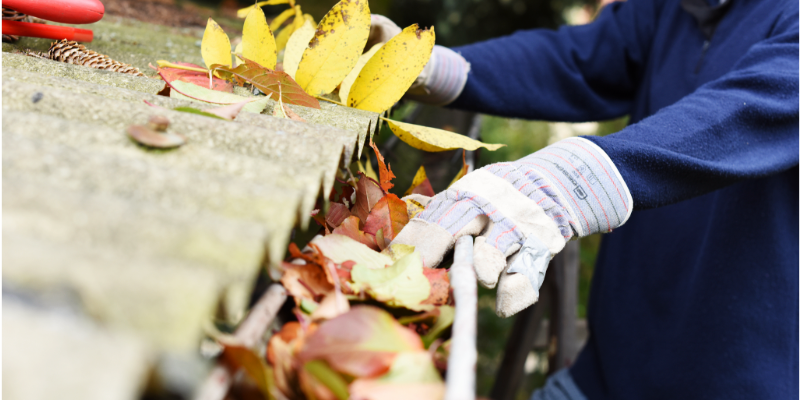
Once the leaves start falling, gutters can fill up quickly. Clear out leaves and debris so rainwater and melting snow can drain properly and help prevent ice buildup and roofline problems. Check that downspouts direct water away from your home and aren't leaking or loose. If your gutters are difficult to reach or you're not comfortable on a ladder, leave this one to a professional.
Test Smoke and Carbon Monoxide Detectors
Smoke and carbon monoxide detectors don't require much attention, but they're among the most important systems in your home to keep in working order. Test your detectors regularly and replace batteries according to the manufacturer's recommendations. If a detector is nearing the end of its recommended service life, replace it rather than waiting for it to fail. It's a small task that can be easy to overlook, but definitely one worth keeping on the list.
A Little Fall Maintenance Goes a Long Way
Vermont winters have a way of putting our homes to the test. Taking care of a few maintenance items in the fall can help you avoid scrambling for repairs in the middle of January, when the weather is less forgiving and local service providers are often busy.
And you don't have to tackle everything yourself. If you need a furnace technician, chimney professional, contractor, or another local service provider, our Coldwell Banker Islands Realty agents are happy to point you toward trusted local resources. Reach out to our team for recommendations and get your home ready for the season ahead.