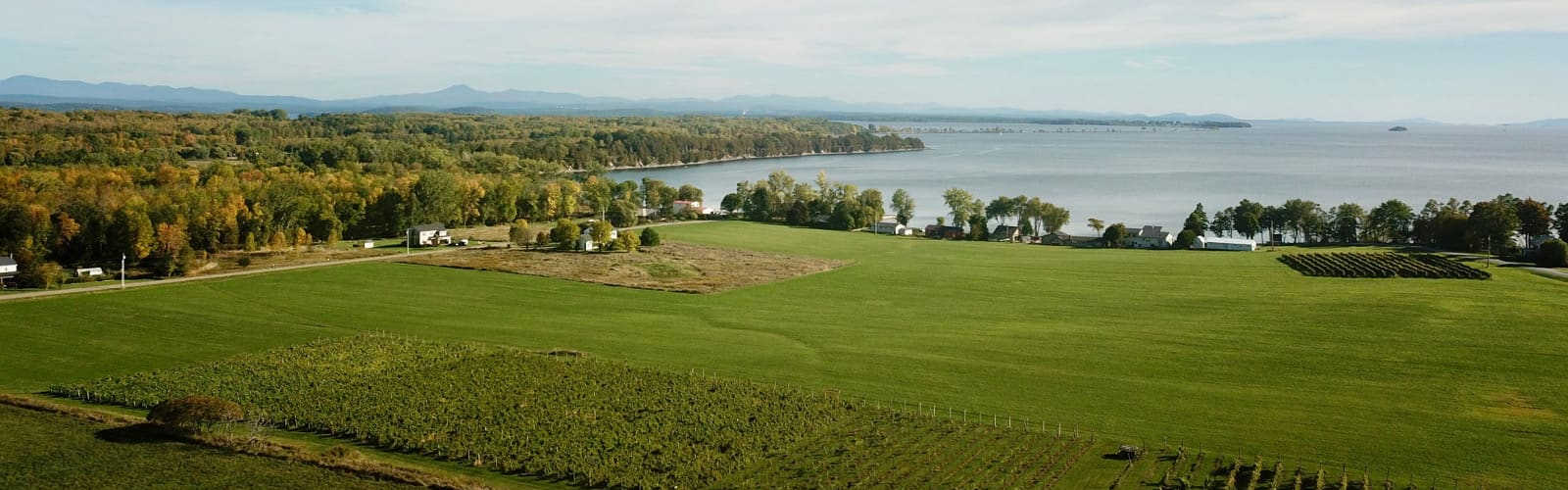
The Champlain Islands boast a rich and fascinating history, shaped by the enduring legacies of Indigenous peoples, European settlers, and even past presidents. This vibrant past is illuminated by numerous roadside markers scattered throughout Grand Isle County and along the shores of Lake Champlain. Embark on this scenic route to not only enjoy the breathtaking island landscapes but also to discover intriguing historical insights.
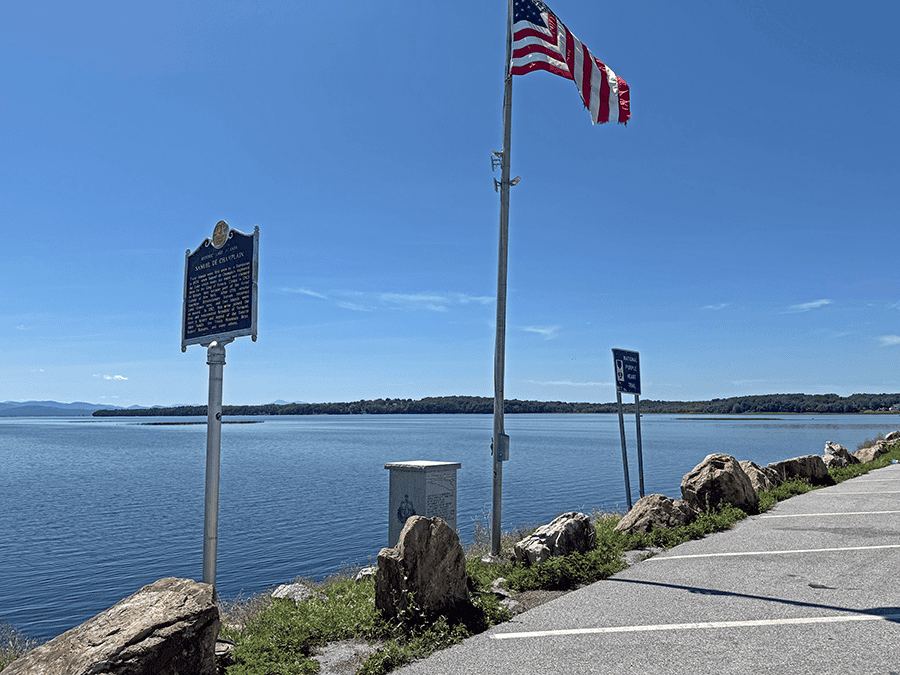
Samuel de Champlain - South Hero, VT
Location: Just off U.S.Route 2, South Hero, at the visitor pull-off.
As you enter the Islands, a marker on the causeway commemorates Samuel de Champlain, the first European to discover Lake Champlain and its islands. You’ll find the plaque at a parking area on the causeway, a narrow road with stunning lake and mountain views. Here, you can learn about the first two centuries after de Champlain's arrival and capture a panoramic photo with the stunning lake as your backdrop. Down the road, Sandbar State Park offers opportunities for swimming, kayaking, lakeside relaxation, and a playground.
First South Hero Settlement - South Hero, VT
Location: At the intersection of U.S. Route 2 and South Street on the left.
Moving north into the village of South Hero, a marker is located on the land where the Allen’s family tavern once stood. Read the plaque to learn where the “Hero” Islands get their name. While the tavern is no longer there, check out the marketplace and stop by the local snack bar, Seb’s, to experience the spirit of Vermont!
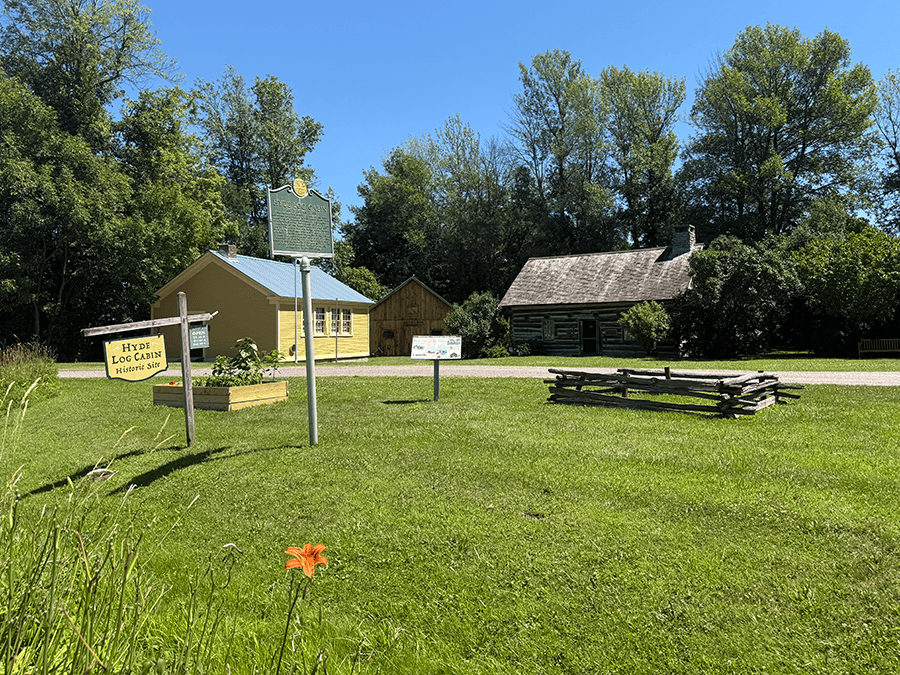
Hyde Log Cabin - Grand Isle, VT
Location: U.S. Route 2, just north of Grand Isle Elementary
Next, step into the past at the Hyde Log Cabin located just past Grand Isle Elementary. One of the earliest buildings on the island, this log cabin showcases the family environment of the time and how the revolutionary soldier, Jedediah Hyde Jr, built a house to sustain all weather conditions. Additionally, with a schoolhouse next door, you can also observe the changes in classroom life from the 1800s to the present day.
Grand Isle Courthouse - North Hero, VT
Location: 3677 Route 2, North Hero , VT
In the lakeside village of North Hero overlooking city bay, you will find the second courthouse built in Vermont, the Grand Isle Courthouse. Built in 1824 with locally quarried limestone, this is one of Vermont’s oldest surviving courthouses. At the time, it also held a jailhouse and church showing the town's success and stability. Located in the quaint village of North Hero, the courthouse is near great spots to have lunch or a snack along the way, with beautiful views of the lake.
.jpg)
President Roosevelt’s Visit - Isle La Motte, VT
Location: 3849 West Shore Rd , Isle La Motte, VT
Isle La Motte, with its sandy beaches and fossil reef, is also the site of a (vice) presidential visit. In 1901, Franklin D. Roosevelt visited the current Lieutenant Governor to speak at the Vermont Fish & Game League about the importance of preserving the environment. While in Vermont, he learned that President McKinley had been shot and left to be with him. Nearby, you can also visit Fisk Farm and Fisk Quarry Reserve to learn more about the history of Isle La Motte and see beautiful views of the lake!
Sweet’s Ferry - Isle La Motte, VT
Location: 1250 West Shore Rd , Isle La Motte, VT
Continuing north and moving a few years closer to the present day, Sweet’s Ferry was home to the first gas-powered ferry on Lake Champlain, which took travelers back and forth from New York and Isle La Motte, including Henry Ford, Thomas Edison, and Franklin Roosevelt. Check out where the boat docked on Lake Champlain and enjoy the lake views!
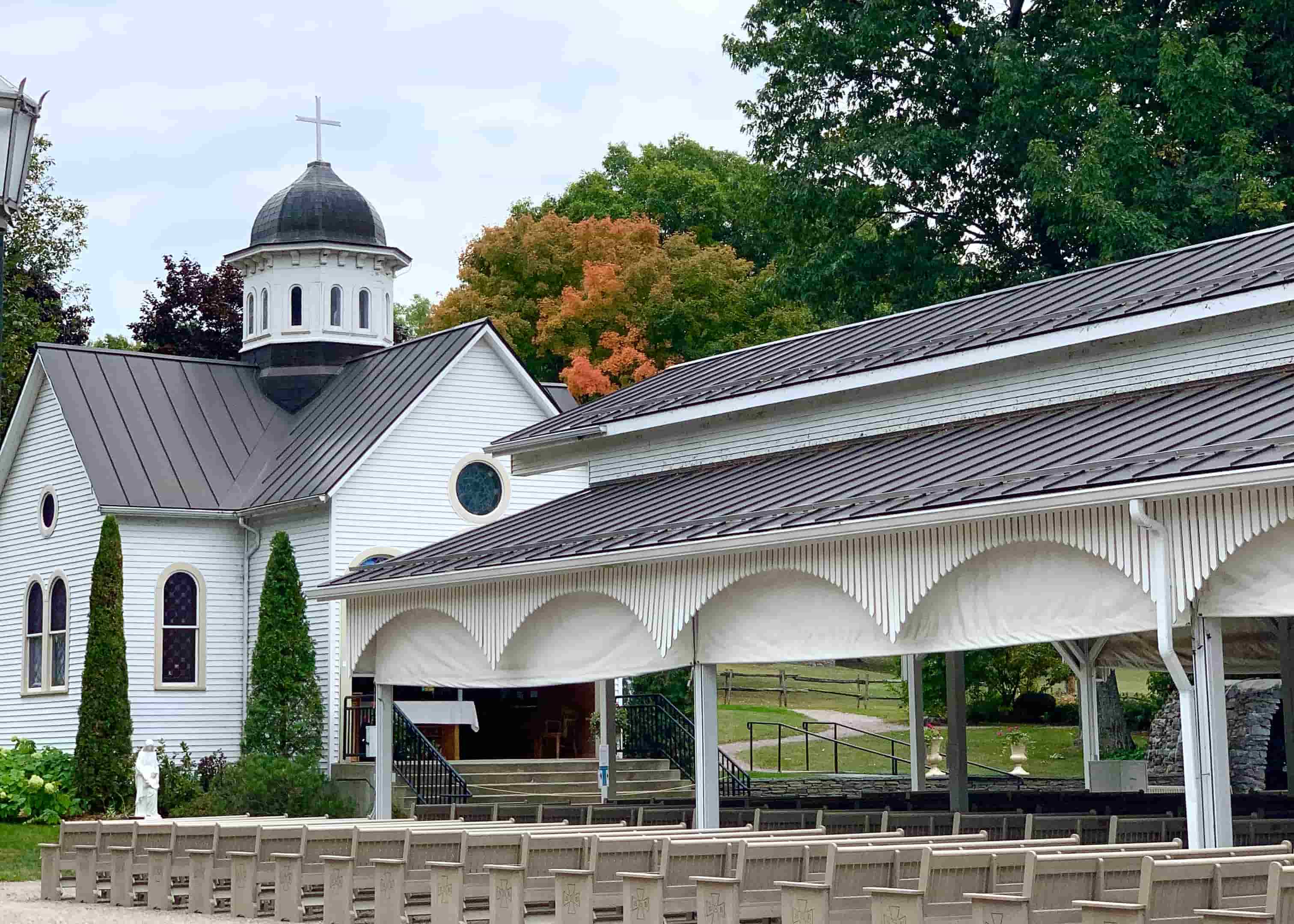
French Fort of Ste. Anne - Isle La Motte, VT
Location: 138 West Shore Road, Isle La Motte, VT, near Ste. Anne’s Shrine
An important part of colonial history on the Islands is the Fort of Ste. Anne. This fort was a military base and chapel for French soldiers, providing protection from the Iroquois. In 1666, the first church mass in Vermont was held here on Isle La Motte. Over one hundred years later, a chapel and shrine were built. Saint Anne’s Shrine is still open today and offers church services, retreats, special events, a beautiful outdoor chapel, and a monument of Samuel de Champlain.
The Bohannan Site, Indigenous Peoples Village - Alburgh, VT
Location: Intersection of Route 78 and E. Alburgh Road , Alburgh, VT
The French were not the first people to discover Lake Champlain, as Indigenous Peoples were living there long before European arrival. Traveling north into the village of Alburgh, there is a historic marker to commemorate where Iroquoian-speaking Indigenous Peoples lived before European settlement. The marker describes what an archaeological team discovered, such as tools and decorative jars, giving an insight into their life at the time.
Samuel de Champlain - Alburgh, VT
Location: 70 North Main Street, Alburgh , VT
Coming back to the Island's European founder, stop by the Vermont Welcome Center in Alburgh to learn more about de Champlain and other impactful people in the Island’s origin. Additionally, you can find information on activities and events in Vermont at the Welcome Center.
The Champlain Islands offer more than just their natural beauty; there is a unique history with markers throughout the county to tell the story of the region’s vibrant past. Discover the rich history and picturesque scenery of the Champlain Islands by exploring these significant sites. These stops offer a deeper understanding of the region's past and events that shaped this unique corner of Vermont. Explore these and other statewide historic markers throughout the state.



-min.png)